
Of all the ways to heat water with electricity, a heat pump unit is by far the most efficient. Rather than running current through an element for every gallon, it uses a compressor, refrigerant, and a fan to harvest heat from surrounding air and move it into the tank. Moving heat costs far less energy than creating it, so these hybrids regularly post Uniform Energy Factor ratings of about 3 to 4, while a conventional electric tank sits just under 1. Here in Alexandria, VA, that gap is prompting plenty of homeowners to replace a worn electric tank with a hybrid instead of another standard model.
Before recommending a model, our technicians look at the space where it will live, because a hybrid is only as efficient as its surroundings allow. We check that there is enough air volume, generally about 700 cubic feet, or plan a ducted setup when there is not. We think about what the cooler, drier exhaust air will do to the room, whether a garage stays warm enough through the Alexandria winter for the compressor to do most of the work, and how the condensate will reach a drain, by gravity to a floor drain or through a small pump. We verify the electrical side, usually a dedicated 240-volt circuit, and consider noise, since the compressor hum is fine in a garage but may bother someone sleeping on the other side of the wall. Clearance counts as well: hybrids are taller than standard tanks and need room above for service and airflow.
Setup is the last piece. Most hybrids offer several operating modes: heat pump only for maximum savings, hybrid for a balance of efficiency and recovery, electric or high demand for heavy-use days, and a vacation setting that holds the water barely warm while you are away. Because the heat pump recovers more slowly than an element, we often suggest stepping up one tank size, such as a 65-gallon unit in place of a 50, so the household rarely needs the elements at all. We install the unit with a proper drain pan and condensate line, the correct circuit, an expansion tank where the plumbing calls for one, and a sensible thermostat setting, then walk you through the modes. Utility rebates and federal tax credits exist for many qualifying models, and we can point you toward the programs to check, though we cannot promise what you will qualify for. For a heat pump water heater in Alexandria planned around your actual space, call (703) 202-3125.
Our most requested service is Water Heater Installation in Alexandria. Start there if you're not sure what you need.
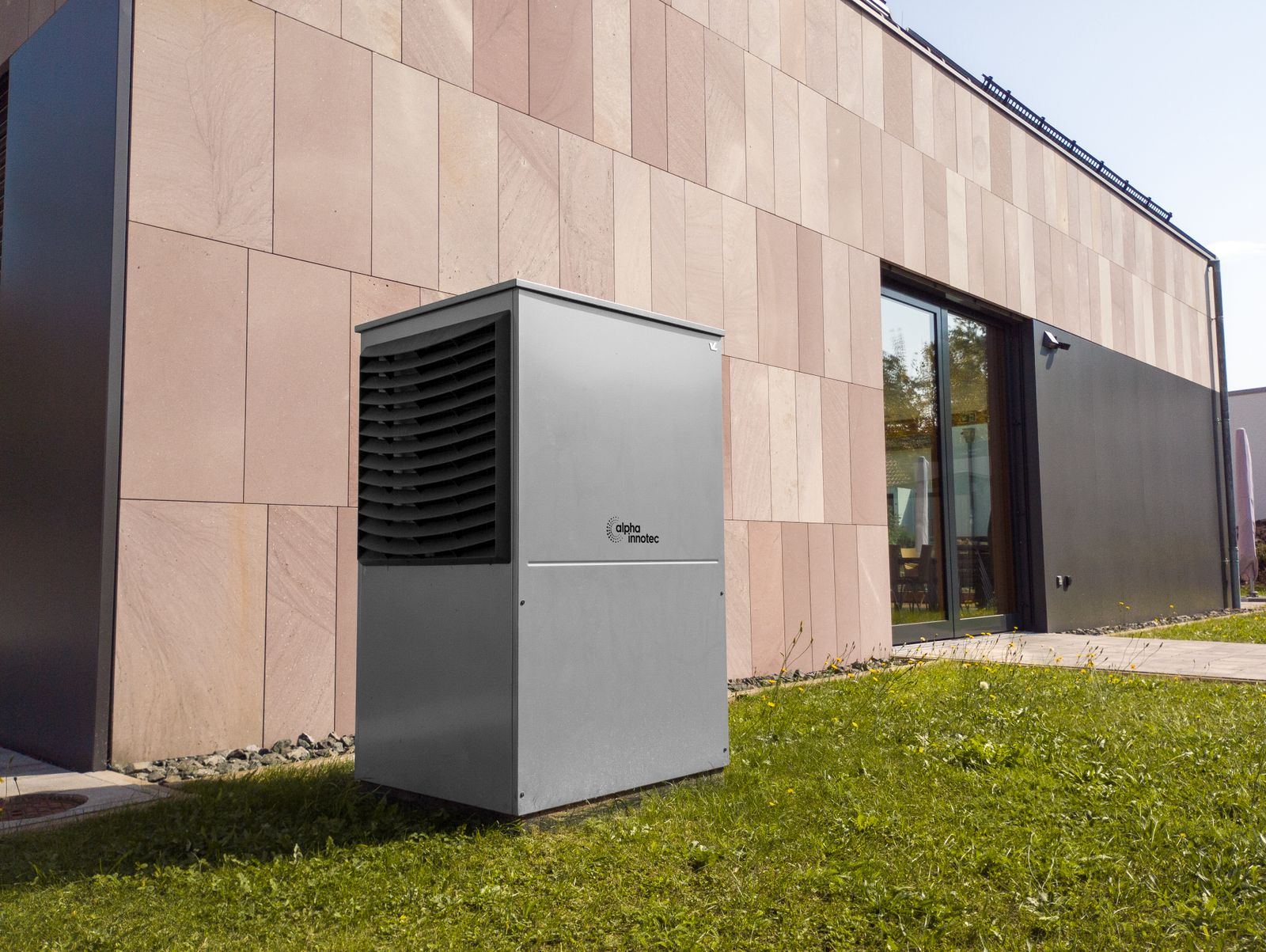
Signs You Need Heat Pump Water Heaters in Alexandria
Water heaters usually give plenty of warning before they fail, as long as you know what to look and listen for. Watch for these telltale signs that professional help is needed:
- Open space around the current water heater, such as a basement or garage
- A warm utility space the heat pump can draw from
- Rooftop solar that pairs well with efficient electric appliances
- A damp basement that could use the free dehumidifying a hybrid provides
- A plan to take advantage of efficiency incentives where they apply
- Your electric tank is past the ten-year mark and you would rather plan than wait for a leak
- Existing electric water heater wiring that may serve the new unit
- High electric bills in a household that uses a lot of hot water
Don't Wait for a Total Failure
Tanks rarely fail all at once. They corrode from the inside for months, and the warning signs show up long before the floor gets wet. If you notice any of these signs, contact Alexandria Water Heater at (703) 202-3125 for a prompt inspection.
No Hot Water? We Can Help.
Our experienced technicians are standing by to help.
Call (703) 202-3125 NowCommon Questions We Hear
Why This Job Calls for a Pro
From the outside, a hybrid resembles a regular tank with a hat, but it combines three trades in one appliance: plumbing, electrical, and a sealed refrigerant system. The water side needs proper connections, a relief valve discharged to a safe location, and an expansion tank where the plumbing is closed. The electrical side needs a circuit and breaker sized to the nameplate, not whatever happens to be there. Then there is the part DIY guides gloss over: whether the room can actually feed the compressor. A unit squeezed into a small closet without ducting runs on its elements most of the time, which means paying hybrid prices for standard electric performance.
The hands-on details add up. These units are tall and, once full, weigh far more than a person can safely manage alone. The condensate line needs a reliable drain or a pump, and a clogged line can soak flooring before anyone notices. Converting from a gas heater means capping the gas supply, dealing with the old flue, and bringing in a new circuit. Any work on the refrigerant loop requires training and equipment most homeowners do not have. Alexandria Water Heater handles those pieces as part of one job, programs the unit before we leave, and provides model and installation details for rebate or credit applications, without guaranteeing any particular incentive.
Step by Step: How a Visit Works
We follow the same careful process on every water heater, whether it's a quick thermostat swap or a full tankless conversion. Here's what you can expect when you choose Alexandria Water Heater:
Space and Airflow Check
We measure the room volume, note how warm or cold it runs through the year, find the nearest drain for condensate, and check the electrical panel for a 240-volt circuit.
Choosing the Unit
We match the tank to how your household actually uses hot water, keeping in mind that compressor recovery is slower than an element's.
Install Day
We remove the old unit, set the new one level in a pan, connect the plumbing and circuit, route the condensate, and add code items like an expansion tank where required.
Controls and Handoff
We fill and purge the tank, confirm the compressor runs and the condensate drains, set a safe temperature, and choose the mode that fits your routine.
Prevention Tips That Actually Help
A few preventive steps can help you avoid a cold shower or a wet floor down the road. Put these technician-approved steps to work at home:
- Keep chemicals, paint, and lint sources away from the intake air
- Glance at the drain pan occasionally; standing water points to a clogged condensate line
- Have the anode rod inspected every few years to protect the tank from corrosion
- Flush the tank once a year to clear sediment, just as you would with a standard heater
- Rinse the intake filter a few times a year; a clogged filter drags efficiency down
- Switch to vacation mode before a trip to cut idle energy use
- Keep the space around the unit open and free of boxes, laundry, and stored clutter
Should You DIY or Call a Pro?
Relighting a pilot by following the label is one thing. Diagnosing a gas valve, a burned-out element, a dirty flame sensor, or a tankless error code calls for meters and know-how that a pro brings. Here's how the two approaches stack up:
| Factor | Doing It Yourself | Professional Service |
|---|---|---|
| Room Selection | Space never measured | Air volume checked, ducting planned if needed |
| Wiring | Old tank wiring assumed to be fine | Breaker and wire sized correctly |
| Condensate | Pump skipped where one is needed | Condensate path planned and verified |
| Sizing | Same size as the old tank by default | Sized for peak demand and recovery |
| Operating Mode | Stuck in electric mode | Controls explained before we leave |
| Safety Details | Drain pan left out | Installed to local requirements |
Let's Get Your Hot Water Back
Don't let a failing water heater get worse. Call Alexandria Water Heater now for prompt, professional service.
Tap to Call (703) 202-3125Heat Pump Water Heaters Across the Alexandria Area
Our service area reaches well past the city limits. Choose your community for local details.